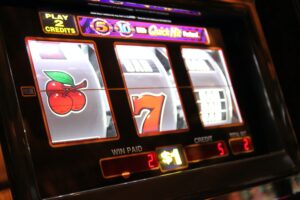
Lutheranforum.org – Are you ready to embark on an exciting adventure filled with adrenaline-pumping thrills and the promise of hitting it big? Join us as we dive into the exhilarating world of online casinos, where every spin of the reels brings the possibility of striking gold. Get ready to chase jackpots, experience heart-pounding wins, and discover the electrifying rush that comes with playing at online casinos. It’s time to unleash your inner gambler and embrace the thrill of the chase!
Introduction to the Excitement of Online Casinos
Online casinos have revolutionized the world of gambling by offering a convenient slot mahjong ways and thrilling way to play casino games from the comfort of your own home. The advancement of technology has given rise to a new form of entertainment, where players can experience all the excitement and thrill of a traditional brick-and-mortar casino with just a few clicks.
One of the main reasons why online casinos have gained immense popularity is because they offer an unparalleled level of convenience. Gone are the days when you had to dress up and travel long distances to visit a casino – now you can access your favorite games anytime, anywhere. Whether it’s on your computer, smartphone or tablet, online casinos allow you to play at your own convenience while still experiencing the same thrill and adrenaline rush as you would in a physical casino.
Another unique feature found in some online casinos is progressive jackpots – these are essentially huge cash prizes that increase in value until someone wins them. With many players contributing towards the jackpot with each wager placed, these prizes can reach staggering amounts which have been known to change people’s lives in an instant.
In addition to all these exciting features, playing at an online casino also offers a sense of privacy which some may find appealing. As there is no physical interaction with other players or the need to reveal personal information, online casinos provide a level of anonymity that may not be present in traditional casinos.
The thrill and excitement of chasing jackpots and big wins at online casinos is unmatched. With convenience, variety, bonuses, and potential for huge payouts all in one place, it’s no wonder that more and more people are turning to online gambling as their preferred form of entertainment. So why not join in on the chase and experience the thrill for yourself?
Understanding the Concept of Jackpots
The concept of jackpots is one that has fascinated players in the world of gambling since its inception. The chance to win a large sum of money with just one spin or bet is what makes chasing jackpots such an adrenaline-fueled experience. In this section, we will delve deeper into understanding what exactly jackpots are and how they work in the context of online casinos.
Simply put, a jackpot is the highest payout possible for a particular casino game. This can be either a fixed amount or it can be progressive, meaning that it increases as more players make bets on the game. Every time someone makes a bet on a game with a progressive jackpot, a small percentage of their wager goes towards increasing the jackpot amount. This results in some truly staggering amounts being up for grabs, often reaching millions of dollars.
Jackpots offer players the chance to win life-changing sums slot spaceman of money through a thrilling pursuit. Knowing how they work and what different types are available at online casinos will help you make informed decisions on which games to play and how to improve your chances of hitting that coveted jackpot prize. So why not try your luck today? Who knows, you might be just one spin away from becoming a millionaire!
Tips for Choosing a Reputable Online Casino
The rise of online casinos has made gambling more accessible than ever before. With just a few clicks, players can enjoy their favorite casino games from the comfort of their own homes. However, with so many options available, it can be overwhelming to choose a reputable online casino that offers fair gameplay and reliable payouts. In this section, we will provide you with some tips for choosing a reputable online casino.
1. Research the Casino’s Reputation
Before signing up or depositing any money at an online casino, it is important to do your research and check its reputation. Look for reviews from other players and see if there have been any major complaints or issues in the past. A quick Google search can give you valuable insights into the casino’s history and help you make an informed decision.
2. Check for Valid License and Regulations
A reputable online casino should be licensed by a recognized regulatory body such as the Malta Gaming Authority or the UK Gambling Commission. These licenses ensure that the casino follows strict rules and regulations to protect players’ interests. You can usually find information about a casino’s license at the bottom of their website.
3. Variety of Games Offered
One of the main reasons people turn to online casinos is because they offer a wide range of games compared to traditional brick-and-mortar casinos. Before choosing an online casino, make sure they have your favorite games available and also check out their variety in terms of game providers.
4.Cashout Policies
It is essential to research a casino’s cashout policies before signing up as different casinos may have different withdrawal restrictions and processing times. Some may also have hidden fees, so be sure to read through all terms and conditions carefully.
5.Customer Support Availability
Not all issues or queries can be resolved through self-help resources on an online casino website which makes having prompt customer support very important.If possible try contacting them beforehand with some questions regarding their services.This gives you insight not just into their response time, but also the quality of assistance provided.
6.Payment Options
Choose an online casino that offers a variety of trusted and secure sbobet88 payment options. This will give you peace of mind when it comes to depositing and withdrawing funds from your account. Look for casinos that offer popular methods such as credit/debit cards, e-wallets, and bank transfers.
By following these tips, you can ensure that you choose a reputable online casino that not only provides an exciting gaming experience but also ensures the safety and security of your personal information and funds. Remember to always gamble responsibly and have fun while chasing those jackpots!
The Different Types of Casino Games and Jackpot Opportunities
When it comes to online casinos, one of the biggest draws for players is the chance to win big jackpots. These lucrative prizes can range from a few thousand dollars to millions, making them an enticing prospect for anyone looking to test their luck and potentially score a life-changing payout.
But before diving into the world of chasing jackpots at online casinos, it’s important to understand the different types of casino games that offer these opportunities. From classic slots to table games and more, each game has its own set of rules, odds, and potential for winning big.
Apart from slots, table games like blackjack and poker also offer exciting jackpot opportunities with their side bets or special wagers such as Progressive Blackjack or Caribbean Stud Poker Jackpot Bonus. These types of games usually require some strategy skills instead of pure luck but still provide an opportunity for massive payouts if you hit that elusive royal flush or four of a kind.
Other casino games to consider for jackpot chasing include bingo, keno, and scratch cards. While not as popular as slots or table games, these offer their own unique jackpot opportunities with varying odds and payouts.
Online casinos offer a wide range of game options for players looking to chase jackpots. With slots being the top choice for many, there are also opportunities in other types of games like table games, bingo, keno, and scratch cards. Choose your game wisely and remember that while the thrill of chasing jackpots can be exhilarating, it’s important to always gamble responsibly.
Strategies for Winning Big at Online Casinos
When it comes to chasing jackpots and big wins at online casinos, having a solid strategy can greatly increase your chances of success. In this section, we’ll explore some tried and tested strategies for winning big at online casinos.
1. Choose Your Games Wisely:
The first step in any successful gambling venture is choosing the right game to play. With joker gaming so many options available at online casinos, it’s important to carefully consider the odds and payouts of each game before placing your bets. Look for games with a low house edge and high payout percentages, such as blackjack, baccarat, or video poker.
2. Take Advantage of Bonuses and Promotions:
One of the biggest advantages of playing at online casinos is the abundance of bonuses and promotions offered by these sites. These incentives can greatly increase your bankroll and give you more opportunities to win big. Make sure to read the terms and conditions carefully before claiming any bonuses so that you know exactly what is required to cash out your winnings.
3. Practice Responsible Bankroll Management:
It’s important to have a budget in mind when playing at online casinos. This will help prevent overspending and keep you from chasing losses. Divide your bankroll into smaller portions for each gaming session, so that you don’t exhaust it all on one unlucky day.
4 . Utilize Betting Strategies:
Depending on the type of game you’re playing, there are various betting strategies that can help increase your chances of winning big while managing your bankroll effectively. For example, in roulette, sticking to even money bets or using the Martingale system can be effective strategies.
5 . Know When to Walk Away:
Perhaps one of the most crucial elements in winning big at an online casino is knowing when to walk away from a winning streak or stop chasing losses. It’s easy to get caught up in the excitement but setting a win limit for yourself can help ensure that you come out on top.
Winning big at online casinos requires a combination of luck and smart strategies. By carefully choosing your games, utilizing bonuses and promotions, practicing responsible bankroll management, utilizing betting strategies, and knowing when to walk away, you can increase your chances of hitting that jackpot or scoring a big win. Remember to always gamble responsibly and never risk more than you can afford to lose. Good luck!
Responsible Gambling: Setting Limits and Staying Safe in the Digital World
Responsible gambling is a crucial aspect of online casino gaming. In the digital world, the convenience and accessibility of online casinos can make it easy for players to lose track of their spending and time spent playing. However, by setting limits and staying safe while chasing jackpots and big wins, you can ensure a more enjoyable and responsible gaming experience.
One way to promote responsible gambling in the digital world is by setting limits on your spending. Most reputable online casinos have tools that allow players to set daily, weekly, or monthly deposit limits. This means that once you reach your limit, you will not be able to deposit any more money until the limit is reset. By setting these limits, you can control how much money you are comfortable risking without getting carried away.
Similarly, many online casinos also offer options for setting time limits. These allow players to specify how long they want to play before being automatically logged out of their account. This feature is especially useful as it prevents players from losing track of time and potentially spending more money than they intended.
When playing at an online casino, safety should always be a top priority as well.Thoroughly research any casino before creating an account and providing personal information.Gamblers should only play at licensed and regulated casino sites.Regularly check on the security measures implemented by the casino to safeguard your sensitive information such as SSL encryption and secure payment methods.
Responsible gambling in the digital world involves setting limits on spending and time, taking breaks, and prioritizing safety. These measures not only ensure a more enjoyable gaming experience but also promote responsible gambling practices. Remember to always gamble responsibly and seek help if you believe you are struggling with gambling addiction.
Fulfilling Your Jackpot Dreams at Online Casinos
In the fast-paced world of online casinos, chasing jackpots can be an exhilarating slot server thailand experience. With hundreds of games available and millions of dollars in prizes, it’s no wonder that many players are drawn to the thrill of trying their luck and potentially walking away with a life-changing amount.
As we have explored in this article, there are various types of jackpots that players can chase at online casinos. From progressive jackpots with ever-increasing prize pools to fixed jackpots with generous payouts, there is something for every type of player.
Besides the potential monetary rewards, chasing jackpots also offers players excitement and adrenaline rush unlike any other casino game. The anticipation while waiting for those reels or numbers to line up perfectly can send shivers down your spine and ignite an incredible feeling of triumph when you do hit that big win.
Chasing jackpots at online casinos can be a thrilling experience filled with hope and excitement. Just remember to gamble responsibly, choose reputable sites, and enjoy the ride. You never know when lady luck will strike and fulfill your jackpot dreams. So why not give it a try and see if you’ll be the next lucky winner? Happy chasing!
 Bonnie Crawford
  dokter backlink